Understanding Peptide Purity: What 99%+ Actually Suggests
Understanding Peptide Pureness: What 99%+ Actually Indicates
It is one factor proper peptide storage space and reconstitution methods issue. Partial peptide pieces can arise from insufficient synthesis or post-synthesis degradation. These fragments are usually smaller than the target peptide and might elute at various retention times.
- Theoretically, peptide pureness is quantified by the chromatogram created by reversed stage HPLC, and on top of that, we can get the number and relative quantity of possible by-products by determining the peak area.
- Peptide pureness refers to the amount of the appropriate peptide in the peptide item.
- We utilize sophisticated reverse-phase HPLC to identify the pureness of client peptide samples.
- Identity screening confirms that what was synthesised is in fact the designated sequence.
- We aid identify chromatographic purity from actual peptide quantity so customers can prepare options and compare lots with higher self-confidence.
What The Contaminations In Fact Are
The companion page on why 99 percent purity matters discusses why small contamination percents can still matter in sensitive in-vitro assays. Along with this peptide testing guide, those pages develop the trust-methodology layer behind the item brochure. Peptide screening is effective, yet researchers ought to check out the scope of each technique meticulously.
Reliable peptide vendors always mark their products by doing this and offer high quality reports with HPLC and MS data to support the pureness degree. As long as you acquire peptides from a trusted resource that supplies a total certification of evaluation, you can be confident in the peptide's pureness grade and usage scope. Peptides https://milohkjg147.vantagequill.com/posts/most-trusted-peptide-websites-best-2026 are checked through a mix of techniques, consisting of HPLC for purity, mass spectrometry (MS) for sequence verification, and nuclear magnetic resonance (NMR) for architectural evaluation. These approaches help determine the peptide's structure, confirm the molecular weight, and discover any type of structural modifications or pollutants, making sure the peptide meets quality and specification demands. With our comprehensive peptide analysis platform, Imaginative Proteomics has actually created an extremely sensitive and specific system.Certificates Of Evaluation: Exactly How To Review And Interpret Lab Reports
Picking the appropriate outside laboratory for peptide testing entails reviewing a number of variables. A trusted lab needs to have demonstrable experience in peptide chemistry evaluation-- for instance, PhD-level drug stores or biochemists on staff who comprehend peptides' synthesis and degradation pathways. Accreditation by relevant bodies (such as ISO/IEC or certification for GLP/GMP compliance) is a solid indicator of high quality.Exactly How Do You Verify Peptide Purity And Identity?
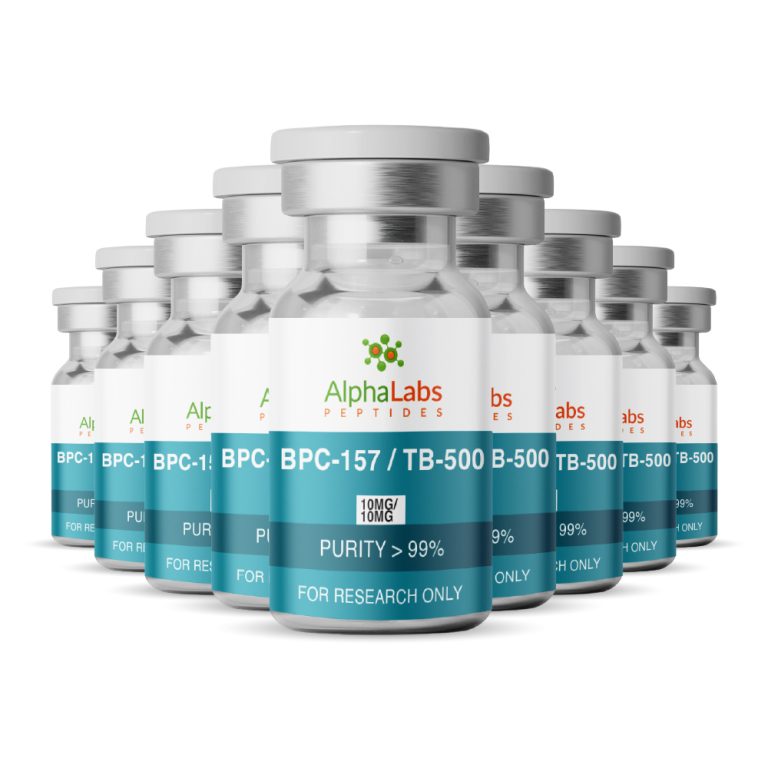
This degree of detailed evaluation makes sure the peptide's accuracy-- indicating the sequence and purity are specifically as classified-- which is essential for experimental reproducibility. By confirming composition with multiple validated approaches, laboratory recognition assurances that researchers obtain a high-purity peptide that will execute as expected in the laboratory. Laboratory validation of peptides is not only a scientific ideal method-- it's commonly a regulative requirement when peptides are utilized in therapeutic development or scientific research study.